Southern Gas Corridor Capacity Could Double Using Existing Infrastructure
International Experts Gather in Istanbul: Caspian Gas Remains Critical for Europe's Energy Security
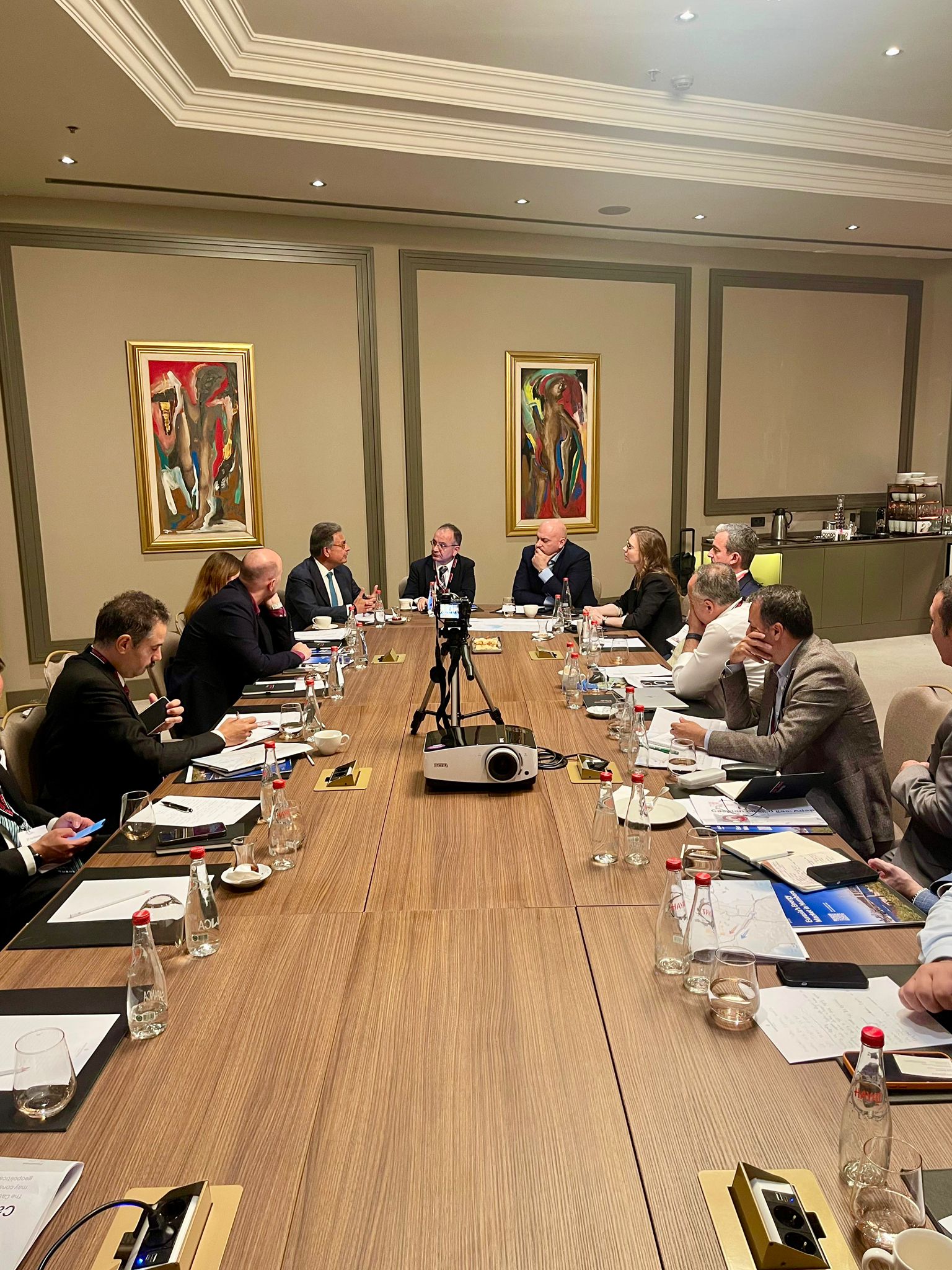
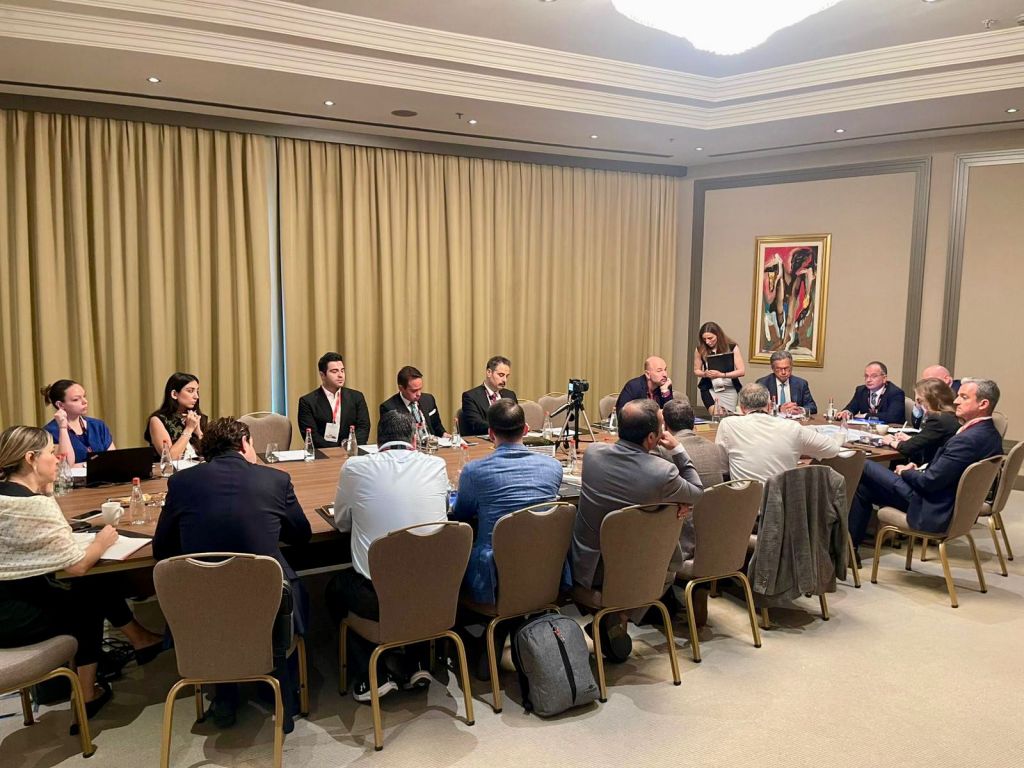
The Energy Economics Association of Türkiye (EED), in cooperation with the Hellenic Association for Energy Economics (HAEE) and sponsored by S&P Global Commodity Insights, hosted the Southern Gas Corridor Panel in Istanbul, bringing together leading international experts to discuss the future of Europe's energy security.
The panel featured Prof. Dr. Kostas Andriosopoulos, President of the Hellenic Association for Energy Economics (HAEE); Anna Galtsova, Regional Director for Caspian Energy at S&P Global Commodity Insights; and Ümit Hergüner, Senior Partner at Hergüner Bilgen Üçer Attorney Partnership. The session was moderated by Prof. Dr. Gürkan Kumbaroğlu, President of the Energy Economics Association of Türkiye and faculty member at Boğaziçi University.
Discussions focused on the strategic importance of the Southern Gas Corridor for Europe's future energy supply security, the production potential of the Caspian region, and opportunities to expand existing pipeline infrastructure.
Panelists emphasized that, following Europe's significant reduction in Russian natural gas imports, alternative supply sources have become more critical than ever. Additional natural gas delivered from the Caspian region was identified as a key element in strengthening Europe's long-term energy security.
Capacity Could Double Without Building a New Main Pipeline
One of the panel's most significant conclusions was that the capacity of the Southern Gas Corridor could be substantially increased without constructing a new main pipeline.
According to the experts, an additional investment of approximately USD 3.5 billion could nearly double the existing transportation capacity by optimizing and expanding the current infrastructure. Such an expansion would significantly enhance Europe's energy security while reinforcing the Caspian region's strategic position in global energy markets.
The Real Challenge Is Production Investment, Not Pipeline Capacity
The panel highlighted that although the Caspian Sea holds substantial natural gas reserves, upstream production investments have not progressed at the pace required to meet growing demand.
Participants noted that Europe's reluctance to commit to long-term natural gas purchase agreements has delayed new production investments, making it more difficult to expand both production capacity and pipeline utilization. The rapid growth of the global LNG market was also identified as a major factor limiting long-term commercial commitments for pipeline gas.
ADNOC Investment and the Trans-Caspian Pipeline Could Shape the Next Phase
Panelists identified ADNOC's decision to expand its investments in the Caspian region as a significant development that could increase international investor confidence.
In addition, experts stressed that the proposed Trans-Caspian Natural Gas Pipeline, which would connect Turkmenistan's natural gas resources to Azerbaijan across the Caspian Sea, is both technically and economically feasible. They noted that strong political commitment from both Azerbaijan and Turkmenistan could accelerate implementation of the long-discussed project.
EED: A Platform for Scientific Collaboration and Energy Policy Development
The Energy Economics Association of Türkiye (EED) is one of Türkiye's leading professional organizations dedicated to strengthening cooperation among academia, the public sector, and private industry in the field of energy economics.
Its membership includes prominent organizations such as TANAP, SOCAR Türkiye, EPİAŞ, and Hergüner Bilgen Üçer Attorney Partnership, alongside other leading institutions from the energy and legal sectors. Through international collaborations and scientific events, EED continues to contribute to the development of Türkiye's energy policies and to regional energy dialogue.