
The Rise and Fall of Kaiyo: When the Circular Economy Met Venture Reality
- Written by Admin TOA
- Published in Professionals
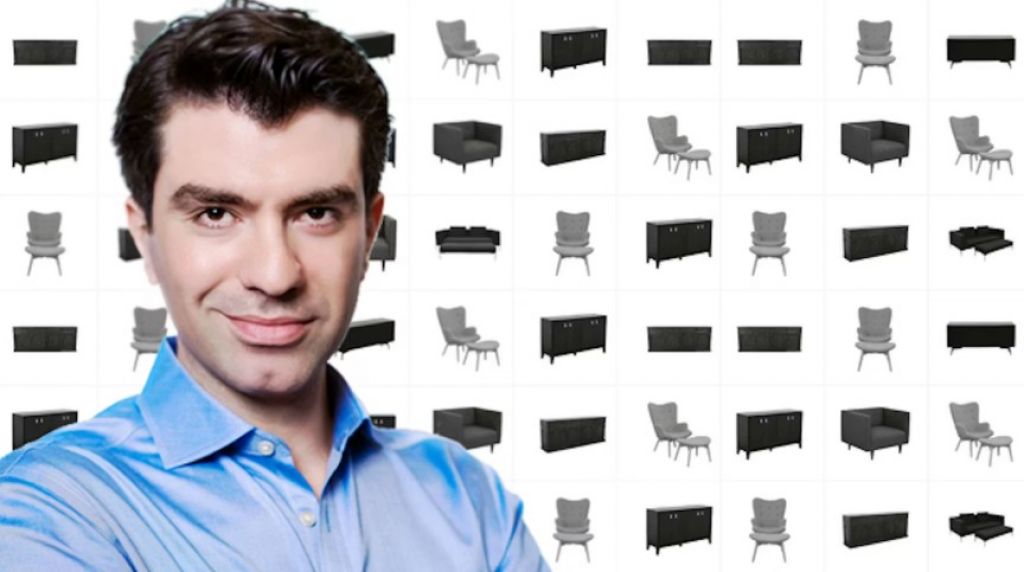
When Kaiyo launched in New York in 2014, the timing seemed almost perfect. Millennials were moving into cities, sustainability was becoming a core consumer value, and the idea of a “circular economy” was quickly migrating from academic papers into venture capital pitch decks. Kaiyo promised to do something deceptively simple: make buying and selling high-quality, pre-owned furniture as seamless as shopping new—while keeping bulky items out of landfills. In practice, it was anything but simple. Kaiyo was founded by Alpay Koraltürk, a New York–based entrepreneur who experienced firsthand the inefficiencies of the urban furniture market. Like many city dwellers, Koraltürk had faced the familiar dilemma: high-quality furniture was expensive to buy new, difficult to resell, and often ended up discarded simply because moving or coordinating a sale was too cumbersome.
Rather than viewing this as a consumer inconvenience, Koraltürk saw it as a systemic market failure—one that combined waste, friction, and missed economic value. Kaiyo emerged from that insight, not merely as a resale platform, but as an attempt to professionalize secondhand furniture through logistics, pricing intelligence, and operational control. Koraltürk frequently emphasized that Kaiyo was built at the intersection of urban living, sustainability, and technology. The ambition was not just to create a marketplace, but to redesign how cities circulate durable goods. That vision helped Kaiyo attract early investor interest and a loyal customer base—but it also led the company down a capital-intensive path that ultimately proved difficult to sustain at venture scale.
A Marketplace Built on Logistics, Not Just Listings
Unlike peer-to-peer platforms that merely connected buyers and sellers, Kaiyo took control of the entire process. The company picked up furniture from sellers’ homes, inspected and stored it, priced it algorithmically, photographed it professionally, and handled last-mile delivery to buyers. This full-service model quickly set Kaiyo apart from Craigslist and Facebook Marketplace. Customers didn’t have to negotiate, transport a sofa down five flights of stairs, or worry about scams. Sellers received cash without hassle. Buyers got curated inventory—often designer furniture at steep discounts. But this convenience came at a cost. Heavy logistics, warehousing, delivery fleets, and labor-intensive operations turned Kaiyo into a company with margins closer to a logistics firm than a tech platform.
Venture Capital Backing and Rapid Expansion
Investors initially embraced the vision. Kaiyo raised more than $36 million from venture firms and impact-focused investors, positioning itself as both a tech-enabled marketplace and a sustainability play. The company expanded beyond New York into major metropolitan markets, betting that scale would improve unit economics. As the resale market for furniture gained cultural legitimacy, Kaiyo appeared well positioned to become the category leader. Yet behind the growth narrative, the fundamentals remained challenging. Every couch sold required multiple physical touchpoints—pickup, storage, delivery—and each step carried cost and operational risk.
A Market Shift—and a Cash Crunch
The turning point came as macroeconomic conditions shifted. Rising interest rates, tighter venture funding, and declining consumer discretionary spending exposed weaknesses across capital-intensive startups. For Kaiyo, the math became unforgiving. Logistics costs rose. Warehouse expenses mounted. The margin between resale price and operational cost narrowed further. Unlike digital marketplaces that could cut marketing spend and survive, Kaiyo’s cost structure was largely fixed. At the same time, competition intensified. Facebook Marketplace, OfferUp, and local resale networks continued to dominate the low-cost end of the market, while newer startups experimented with asset-light resale models. The End of the Road By the early 2020s, Kaiyo faced a familiar startup dilemma: strong brand recognition, loyal users, and a compelling mission—but no clear path to sustainable profitability at scale. The company ultimately wound down operations, marking a quiet end to one of the most ambitious attempts to professionalize the secondhand furniture market. There was no single dramatic failure. Instead, Kaiyo became a case study in how great consumer experience does not always translate into viable unit economics, especially when physical goods and logistics are involved.
A Cautionary Tale for the Circular Economy
After several years of growth and expansion, Kaiyo began winding down its operations in August 2024. In mid-August, sellers received notices indicating that the company was entering an orderly wind-down phase, and by the end of August 2024 it had effectively closed its U.S. furniture marketplace amid outstanding payment issues and mounting complaints. Kaiyo’s story reflects a broader tension in the circular economy movement. Sustainability-driven business models often resonate with consumers and investors—but translating environmental impact into financial durability remains difficult. The lesson is not that resale doesn’t work. It clearly does. The lesson is that owning the logistics stack can be both a competitive advantage and an existential risk. In that sense, Kaiyo didn’t fail because consumers rejected secondhand furniture. It struggled because transforming reuse into a venture-scale business proved far harder than reimagining it. For founders, investors, and policymakers focused on sustainable commerce, Kaiyo leaves behind something valuable: a real-world blueprint of what works, what doesn’t—and what still needs to be solved.
