



Music Mogul Widow Is Being 'Terrorized'
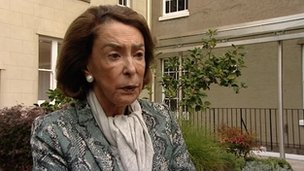 Longtime friends of Mica Ertegun — widow of Atlantic Records co-founder Ahmet Ertegun — are worried she has fallen under the control of Linda Wachner, former CEO of Warnaco. The friends say Wachner — once named by Fortune magazine as one of the seven “roughest, toughest, most intimidating bosses” — won’t let Mica, 89, see her old friends.
- Published in Culture & Art
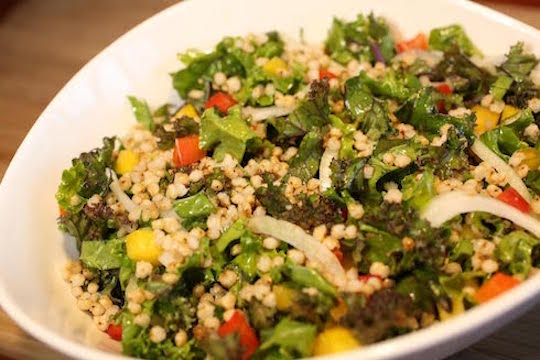 By Deniz Turkbas - Throughout our culinary experiences, we have all come to learn about different grains. There are bulgur, quinoa, oats, rice and barley, to name a few. Growing up in a Turkish household, we became more accustomed to rice and bulgur. Growing in my household, we were always finding new ways to cooak healthy and delicious foods. Therefore, using whole grains and cooking healthy were always priority in our kitchen.
 Lisa Oz wants to set the record straight: Her celebrity doctor husband, Mehmet Oz, is not the "joyless," clinical eater he's been made out to be. "We're very excited about food, actually, which is the opposite of what people think," Lisa Oz says in the enormous Cliffside Park home she shares with her husband, the health advice-dispensing host of "The Dr. Oz Show." She laughs about the misperceptions of those she meets who say, "You must just have nuts and kale and the occasional yogurt with blueberries."