




Luxury Phone Maker Vertu Bit the Dust Because the Rich Use iPhones
Luxury smartphone manufacturer Vertu has gone into liquidation after its famously expensive handsets failed to capture the imagination of the rich and famous. The closure of the UK-based firm, which made alligator skin, gold and diamond-encrusted phones priced from £11,100, will result in the loss of 200 jobs. Vertu was founded by Finnish mobile giant Nokia in 1998 and launched its first luxury mobile phone in 2002, before it was sold in 2012 to private equity group EQT VI.
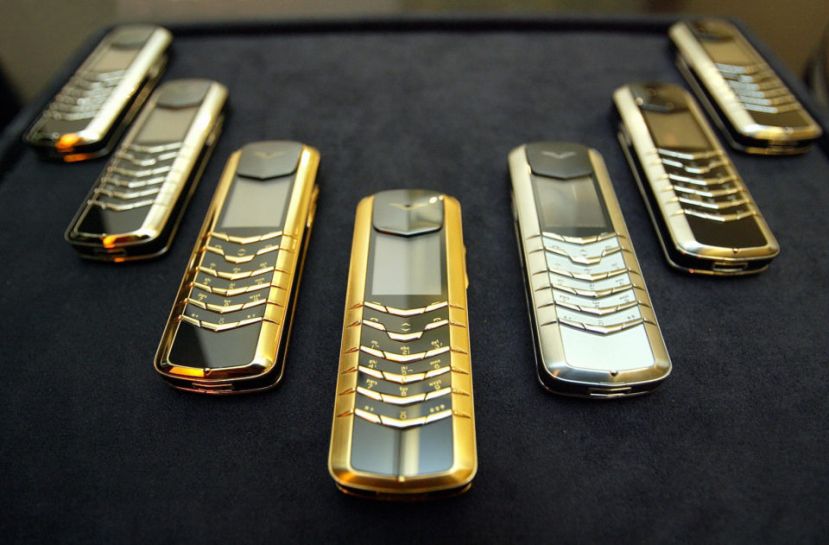
Luxury smartphone manufacturer Vertu has gone into liquidation after its famously expensive handsets failed to capture the imagination of the rich and famous. The closure of the UK-based firm, which made alligator skin, gold and diamond-encrusted phones priced from £11,100, will result in the loss of 200 jobs. Vertu was founded by Finnish mobile giant Nokia in 1998 and launched its first luxury mobile phone in 2002, before it was sold in 2012 to private equity group EQT VI. SINGAPORE, SINGAPORE: Display of Vertu's world's most expensive mobile phones at a showroom in Singapore 13 August 2004. Despite their hefty price and relatively limited functions, sleek handcrafted phones manufactured by Vertu, an independent unit of wireless communications giant Nokia, are becoming sought-after status symbols in Asia..AFP PHOTO/JIMIN LAI (Photo credit should read JIMIN LAI/AFP/Getty Images) Vertu is a good example of how money can’t buy you taste (Photo: Getty) The phones, which featured sapphire crystal screens and ruby bearings, were hand-assembled in its factories in Hampshire, and attracted celebrity fans including actress Gwyneth Paltrow (Vertu’s first customer), Jennifer Lopez and Madonna, reportedly. The company was sold again for £50m to Turkish businessman Hakan Uzan in March, who promised to help Vertu “realise its full potential”.
Uzan slashed the price of the firm’s non-customised models to between £4,000 and £7,000, but reports continued to circulate over its poor finances. Its manufacturing arm went into administration last month. VERTU’S MOST RIDICULOUS PHONE Vertu’s most expensive handset was the Signature Clous de Paris Red Gold, which featured 18 carat red gold, black sapphire keys and a £39,100 price tag. Uzan will retain the brand, design licences and technology, and intends to rebuild the company at a later date, a person close to the matter told the Financial Times. While aimed firmly at a luxury market, Vertu’s creations failed to attract much praise in technology circles. They originally ran Nokia’s Symbian operating system before switching to Google’s Android in 2013, and failed to support Bluetooth or GPS when they first launched.
The tastes of the rich and famous gradually shifted away from blingy mobiles and BlackBerries to iPhones in the late 2000s, which more often than not are the celebrity’s handset of choice. iPhones have become aspirational status symbols for people on all incomes, but those with flashier tastes could employ the services of businesses built around blinging up existing iPhones with diamonds, or creating 24 carat gold cases, rather than splash out on an expensive handset which will still require replacing every few years. - By Rhiannon Williams - inews.co.uk
Read more at: https://inews.co.uk/essentials/news/technology/luxury-phone-maker-vertu-bit-the-dust-because-the-rich-own-iphones/
- Published in Businessman
- Written by Admin TOA




 By Nakiye A. Boyac


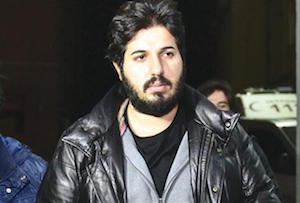 (MENAFN - The Journal Of Turkish Weekly) A U.S. court has ruled to start the trial of Reza Zarrab, an Iranian-born Turkish businessman who was arrested in Miami in March for attempting to evade U.S. sanctions on Tehran, on Jan. 23 next year. The decision on June 20 came after U.S. District Judge Richard Berman in Manhattan denied bail on June 16 to Zarrab, who had applied to live in a lavish Manhattan apartment on a 50 million bond with private armed guards before going on trial.
 WASHINGTON- Lawyers for an Iranian-Turkish national arrested in March on charges of conspiring to evade U.S. sanctions against Iran have asked a federal court to set a $50 million bond for his release until trial. Reza Zarrab is one of three people charged in what prosecutors allege was a five-year scheme involving millions of dollars in transactions on behalf of the Iranian government and businesses. Iran has been under various U.S. economic sanctions since 1979 that bar transactions involving U.S. entities and those related to Iran and its government. Those are different from the more recent sanctions put in place in response to its nuclear program, which were lifted earlier this year.
  By Sue-Lynn Moses (insidephilanthropy.com) - Let me know if you’ve heard this one before: With around 60 million people forcibly displaced from their homes due to conflict, the world is currently in the midst of the worst refugee crisis in history. We know—we beat the drum pretty loudly here at IP to bring increased attention to the global refugee crisis—often highlighting those funders that are paying attention and questioning those that aren’t. While most U.S. funders haven’t lifted a finger to help the world’s refugees, there are some notable exceptions—most recently, Tent.org, which offers rapid response grants for immediate refugee relief operations through the $1 million Tent Challenge. Additionally, the organization has managed to bring a group of corporate funders together to take the Tent Pledge.
 Rumors have been flowing thick and fast around Greek-yogurt maker Chobani of late, as industry watchers have suggested that founder and CEO Hamdi Ulukaya could be headed for the door, to be replaced by an executive with more "operational" expertise. That's all misinformation and speculation, Chief Marketing Officer Peter McGuinness said in an interview with TheStreet. Chobani has grown quickly and is now the No. 1 selling yogurt brand in the U.S., which has led naturally to some inefficiencies. The company recently built its second factory, for example, and it's the largest yogurt-making facility in the world.
 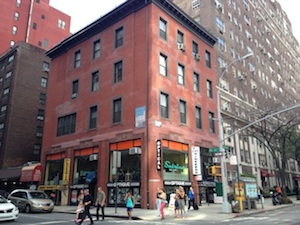 Alex Sapir and Rotem Rosen?s Israeli public company, ASRR Capital, along with Suzer Group, the Turkish conglomerate led by the Suzer family, bought a large townhouse at 218 Madison Ave. that will be demolished for a 10-story luxury property. The venture paid $18.5 million for the site at the corner of E. 36th St., according to a report in the Israeli media. The plan of the venture is to develop 10 high-end, full-floor apartments, private underground parking, and a gym and spa for residents along with retail and a restaurant led by an important chef, sources said