



A Rising Star in the Gastronomy World
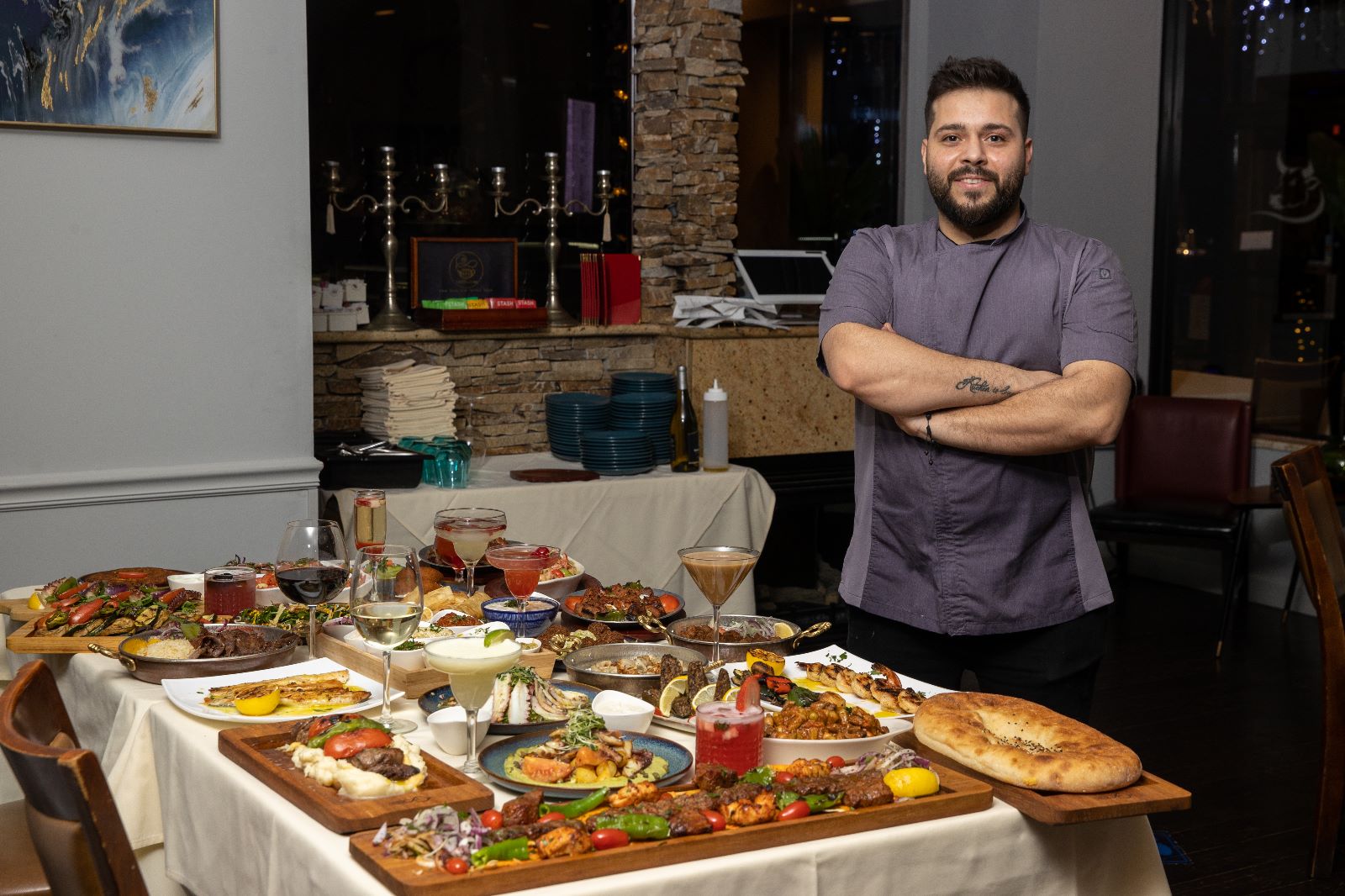 Emre Yeşil, 36, a visionary chef who continues his profession with unwavering passion. For about 13 years, he has been honing his skills as a chef. His participation in renowned food festivals in Türkiye has earned him numerous awards, showcasing his exceptional talent. He has also received culinary training at prestigious culinary academies, including the Istanbul restaurant of Turkey's Master Chef Mehmet Yalçınkaya. In 2018, he embarked on a new culinary journey in the United States, working in esteemed restaurants in New York and New Jersey.
- Published in Professionals
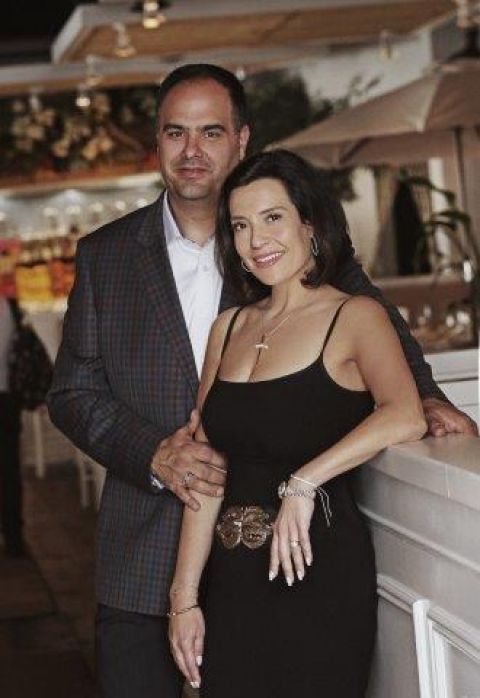
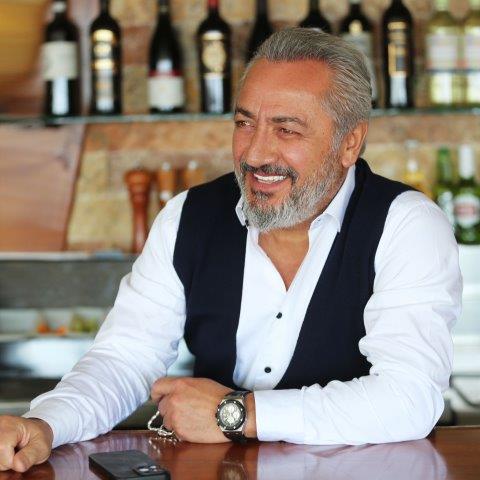 For those longing to enjoy a seafood feast reminiscent of Istanbul's shores, there is a go-to destination in New York that has been satisfying customers for 25 years: Liman Restaurant. When it first opened its doors in March 1999 in Brooklyn, there were only two prominent places to visit in the area: Randazzo's Clam Bar and Roll N Roaster. Even Dunkin' Donuts closed at 11:00 pm due to security concerns. It was a high-crime neighborhood. When word got out that entrepreneur Yusuf Başusta decided to open a seafood restaurant on Emmons Avenue in Brooklyn's Sheepshead Bay, some said, "He must be crazy." Initially a small 30-seat venue, Liman Restaurant gradually transformed into a spacious establishment with a seating capacity of 250. Over time, it became a favorite spot for seafood lovers in the area. Not only people from Brooklyn, but also those from distant states and settlements such as Queens, Long Island, New Jersey, and Connecticut started flocking to the restaurant for their seafood cravings.
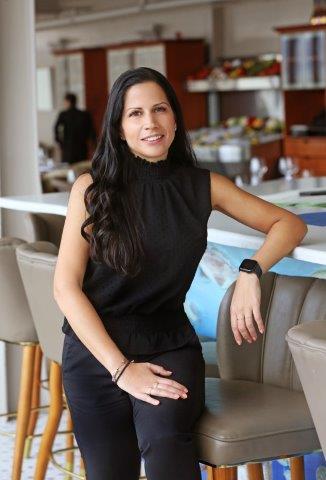 Immerse yourself in the world of Eliana Stefanitsis, the creative force behind the sensational Molos restaurant. Since its establishment in November 2013, Molos has emerged as a beloved destination, offering an exquisite seafood experience. Eliana, hailing from a family deeply ingrained in the restaurant industry, continues to elevate their culinary heritage with this remarkable endeavor. The roots of Eliana's family in the restaurant realm span generations, transcending time itself. With a warm smile, she shares, "My journey in the world of gastronomy feels like destiny. From our cherished family-owned diner, serving patrons for over 40 years, to various restaurants, the spirit of hospitality courses through our veins. As a proud first-generation Greek-American from New York, I embrace the opportunity to carry forward this treasured legacy." Her first job in the restaurant industry was when she was 16 years old, working in her family's restaurant. She gained experience in various roles, including waitress, bartender and hostess.